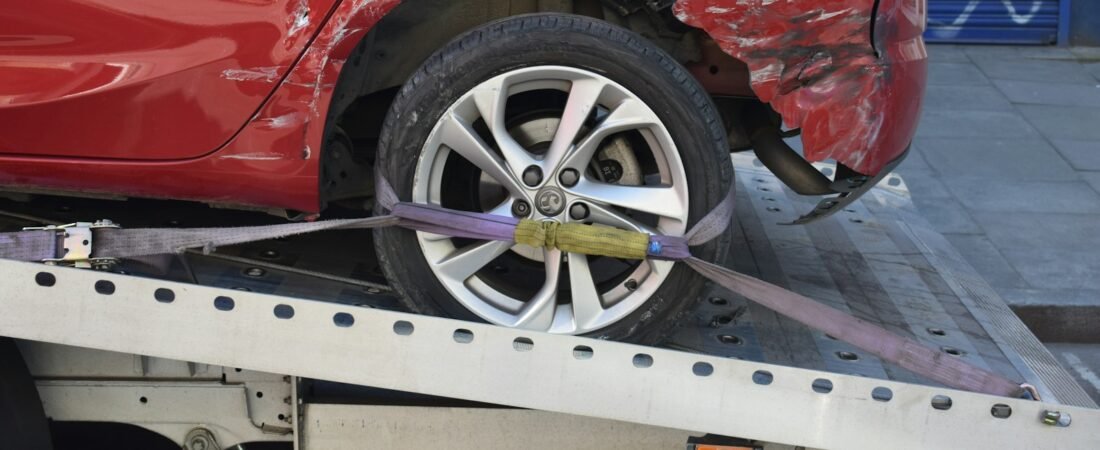
Key Takeaways
- Rear end collision injury claims cover damages from accidents where a vehicle strikes another from behind.
- Application requires documents like police reports, medical records, and proof of loss.
- Costs range from $960 to $3750 based on various factors including location and provider.
- The process typically takes from a few days to several weeks, depending on circumstance.
Rear end collision injury claims can be a complex area of personal injury law, often involving significant financial repercussions for both the injured party and the at-fault driver. These claims emerge when an individual suffers injuries as a result of a vehicle striking another from behind. The impact can lead to a variety of physical injuries, medical costs, and lost income, making it critical for victims to understand how to file a claim effectively.
What Is Rear End Collision Injury Claim?
A rear end collision injury claim is a legal process wherein a victim seeks compensation for injuries sustained in an accident caused by another driver’s negligence. In practical terms, if you’re involved in a crash where one vehicle strikes yours from behind, you may be entitled to damages associated with that incident.
Such claims often hinge on demonstrating that the other driver was at fault, which can include aspects like distracted driving, failing to maintain a safe following distance, or violating traffic laws. To succeed, victims generally must provide evidence such as police reports, medical documentation, and witness statements to substantiate their claims.
How to Apply / Get a Quote
If you’ve been involved in a rear end collision, here’s how to initiate your claim:
- Gather Documentation: Collect police reports, medical records, and information about the accident scene.
- Contact an Attorney: Seek legal advice from a personal injury lawyer who specializes in rear end collisions.
- Fill Out Necessary Forms: Complete any claim forms required by your insurance or the other party’s insurer.
- Submit Evidence: Provide all collected evidence to back up your claim.
- Review Settlement Offers: After submission, assess any offers made by insurance companies. Consult with your attorney before accepting.
What to Expect After You Apply
After submitting your claim, the expected timeline for resolution can vary significantly. Generally, you could receive an acknowledgment from the insurance company within a few days, initiating their investigation into the accident.
Depending on the circumstances, the claims process may take from a few days to several weeks. During this time, maintain communication with your attorney and the insurer. They will need to gather evidence, and there may be negotiations regarding settlement offers. Staying proactive can expedite your claim’s progression.
How Much Does It Cost?
The costs associated with filing a rear end collision injury claim can vary widely based on provider and location. Below is a breakdown of potential costs:
| Cost Element | Estimated Range |
|---|---|
| Attorney Fees | 20%-40% of settlement |
| Medical Expenses | $800 – $100,000+ |
| Legal Filing Fees | $100 – $400 |
| Insurance Premium Increase | $300 – $700 per year |
Key Factors to Consider
- Confirm the at-fault party’s insurance coverage.
- Understand your state’s statute of limitations for filing claims, typically ranging from 1 to 6 years.
- Evaluate potential long-term medical costs associated with your injury.
- Be aware of the possibility of comparative negligence laws that might reduce your settlement based on your percentage of fault.
- Watch out for red flags, such as reluctance from insurance adjusters to engage or delay in settlement offers.
Frequently Asked Questions
Q: What is the average cost of rear end collision injury claim?
A: Costs typically range from $960 to $3750 depending on provider, location, and specific requirements.
Q: Is rear end collision injury claim worth it?
A: For most qualifying readers, yes — but the right choice depends on individual circumstances covered in the guide above.
Q: How long does the process take?
A: Typical timelines range from a few days to several weeks; see the step-by-step section for specifics.
Q: What documents or information do I need?
A: Requirements vary by provider; the application section above lists the most commonly requested items.
Q: Rear End Collision Injury Claim: what should I compare before deciding?
A: Compare pricing, reputation, coverage/terms, and customer support responsiveness before committing.